2010s — present
Fine line emerged from Los Angeles tattoo studios in the early 2010s, pioneered by artists like Dr. Woo, Mira Mariah, and JonBoy. These tattooists brought single-needle work into magazine covers and celebrity culture, proving that subtlety could carry as much weight as boldness. The style evolved from decades of tattooing tradition but found new life in the Instagram era — a counter-movement to the maximalist trends of the 1990s and 2000s. What started as an LA underground aesthetic became a global standard.
Single-needle, hairline weight, negative space dominant
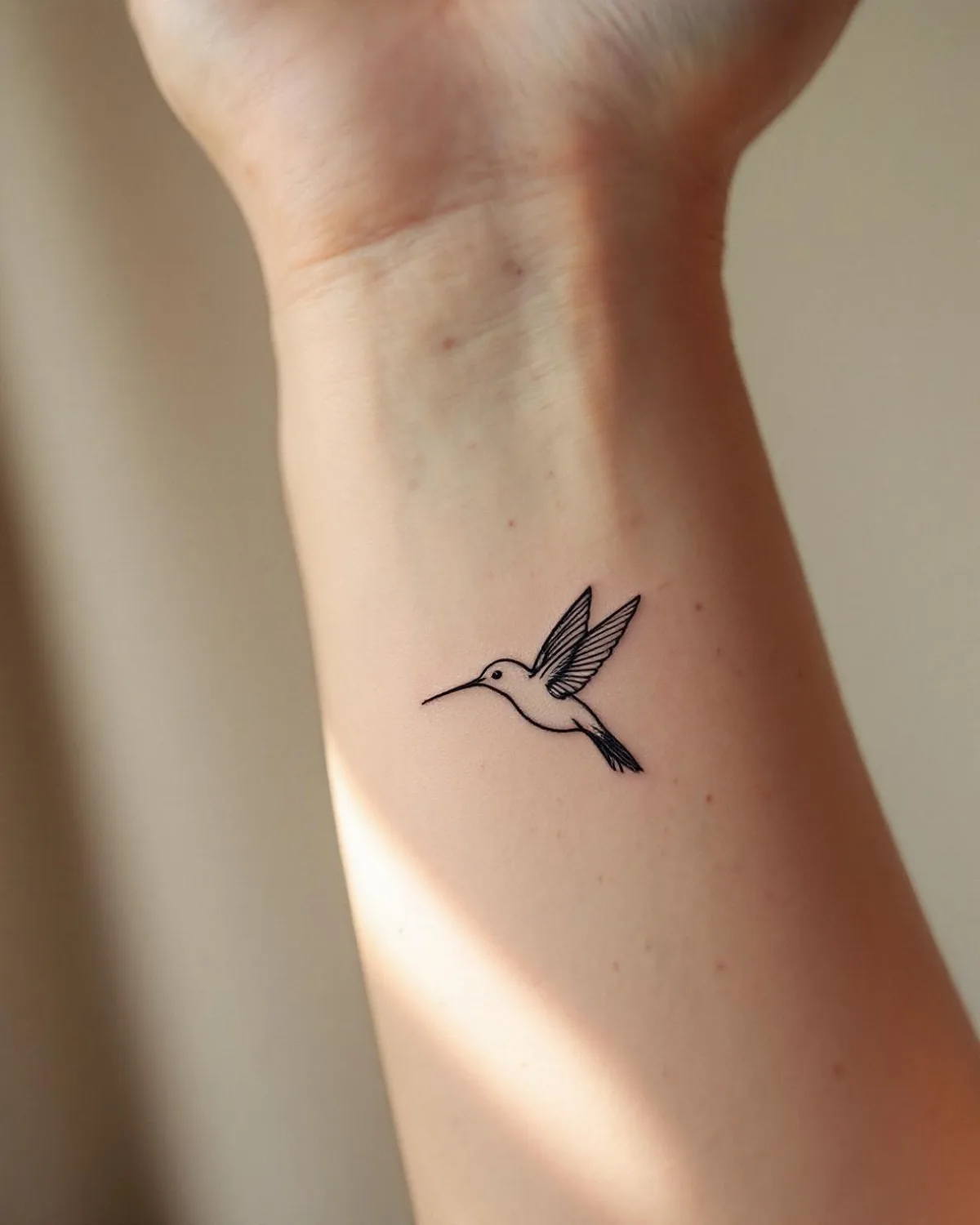
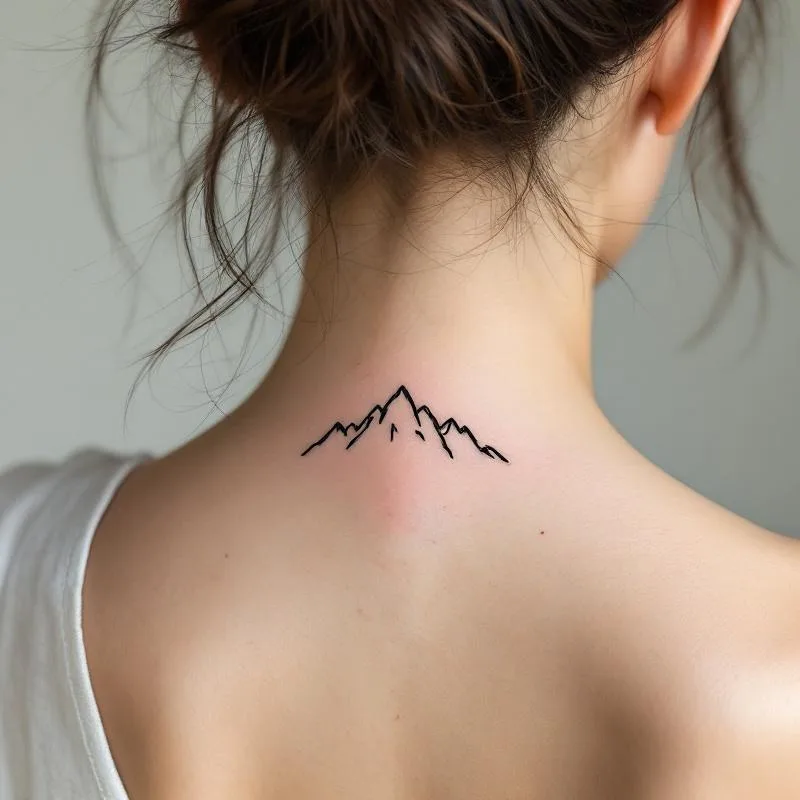
Fine line work uses single-needle or grouping of 2-3 needles at 0.5–1.0mm line weight. The technique emphasizes negative space — the blank skin becomes as important as the ink. No fills, no gradients, no color; the entire composition relies on weight variation and careful placement. Aging gracefully is central to the style; these tattoos read clearly for decades because the minimalist approach leaves room for the skin to soften the edges naturally.
Open Tattoo Genie. Type one of these.
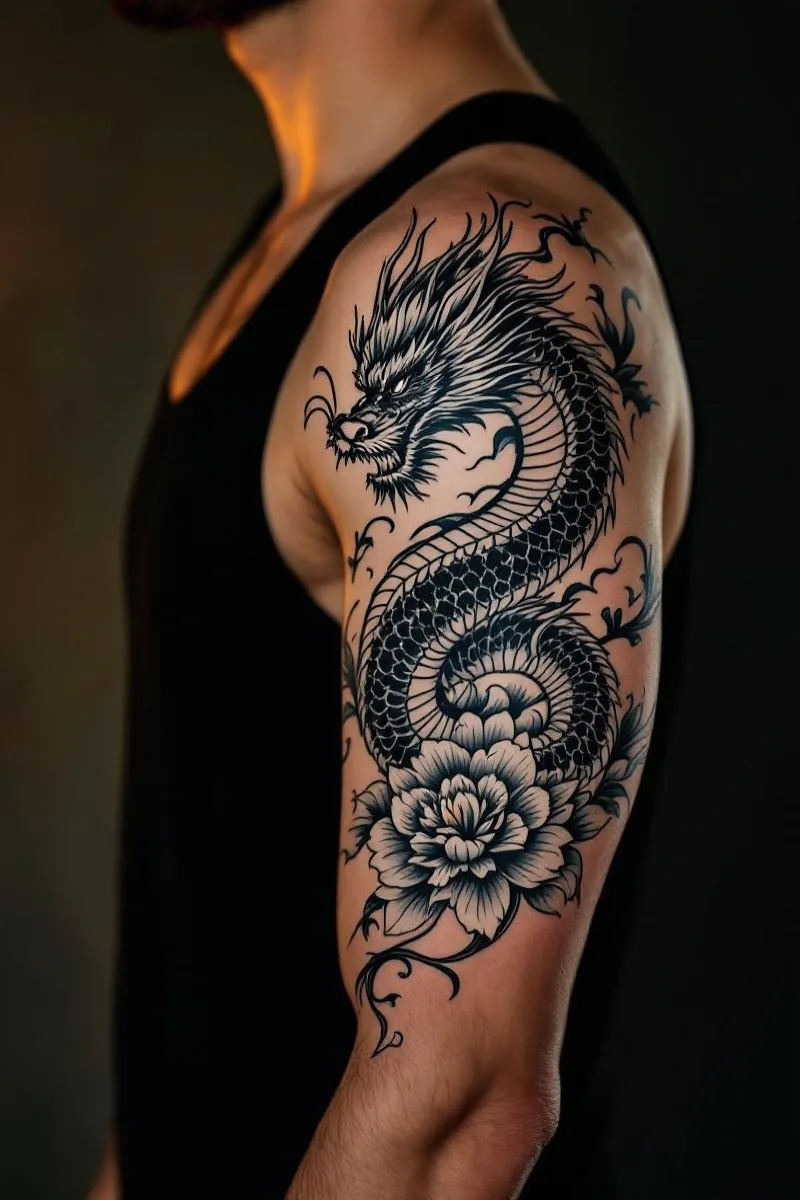
A small dragon coiled around a lotus, fine line, on my forearm
Minimalist constellation map of my birth chart, wrist size
Single needle linework of a sleeping face in profile
Fine line spider web in the crook of my elbow
Tiny botanical sketch: eucalyptus branch with three leaves
A bird in flight, two strokes, behind my ear
Real designs from the community
Quiet answers.
How does fine line age over time?
Fine line tattoos age exceptionally well because the minimalist approach leaves room for natural skin softening. Lines may blur slightly at the edges within the first 5 years, but the design remains readable for decades. Proper sun protection and moisturizing help them stay crisp.
Will this style blur or fade faster than thicker styles?
Contrary to the myth, fine line doesn't fade faster—it just *appears* softer sooner because there's less ink volume overall. A single-needle line and a thick line fade at the same rate, but the thicker line has a larger margin before it becomes unreadable.
Is fine line good for first-time tattoos?
Absolutely. The small, focused needle work tends to be less traumatic than larger sessions, and the minimalist designs often take 30–60 minutes. The healing is straightforward, and the aftercare is simple since there are no large filled areas.
What placements suit fine line best?
Wrist, forearm, ankle, behind the ear, and finger are classics because the small canvas forces intentional, simple designs. However, fine line works anywhere—even full sleeves—when the artist plans the composition carefully.
Can I add color to a fine line design later?
Technically yes, but it changes the aesthetic fundamentally. Fine line's power comes from its restraint. If you want color, consider discussing it at the initial consultation so the artist can design for it from the start.