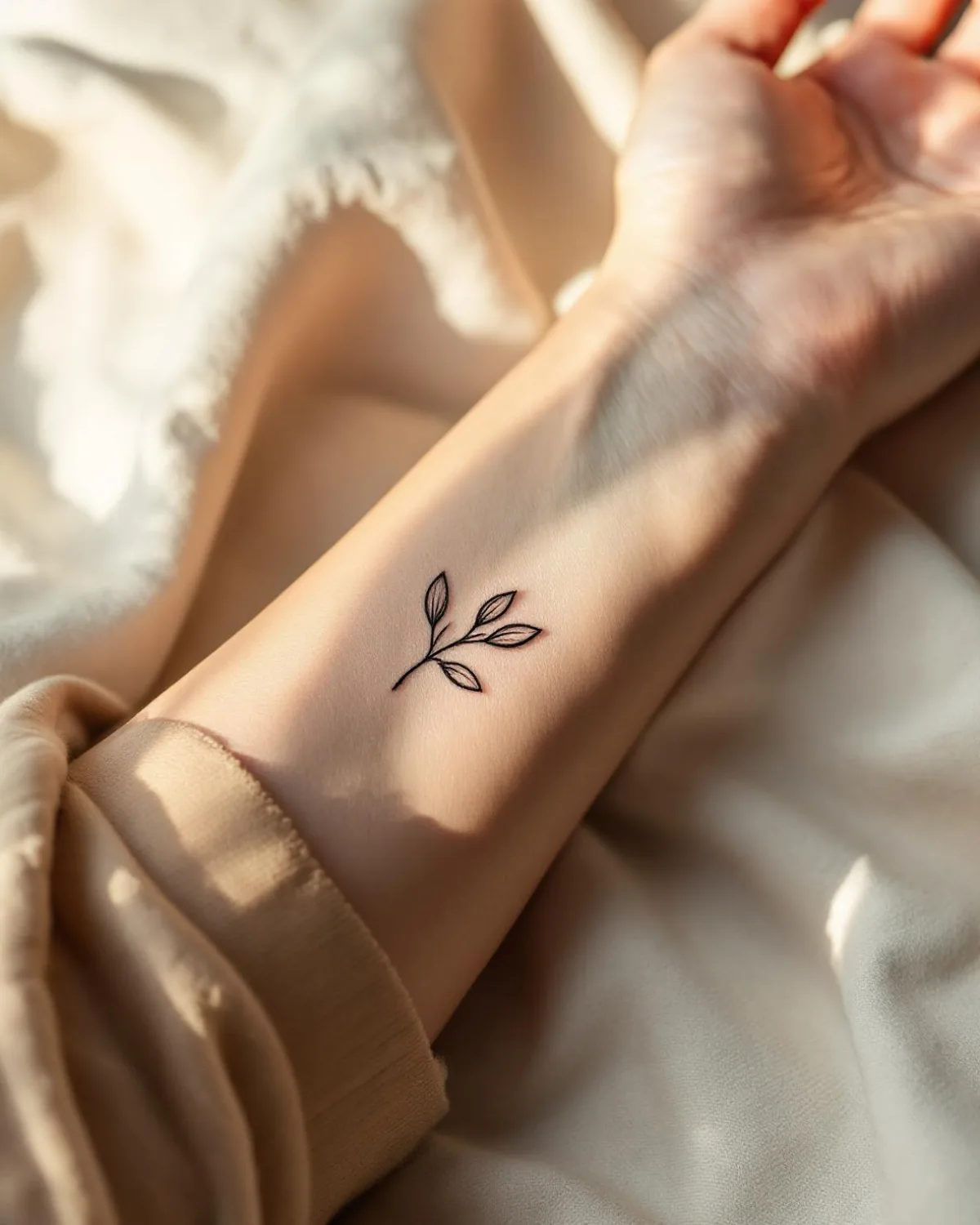
Wrist
Visible, intimate, worn as intention.
Pain
5/10 average
Healing
3weeks (typical)
Visibility
Visible in casual wear
What sits beneath
The wrist sits over a confluence of tendons, nerves, and the radial artery. Skin here is thin—roughly 1.2–1.5mm—with minimal subcutaneous fat. The radius and ulna (forearm bones) create natural ridges near the surface. On the inner wrist (palmar side), the median and ulnar nerves run close to the needle path. The flexor carpi radialis and palmaris longus tendons cross this area; tapping them during the tattoo creates sharp, distinct pain sensations. Bone proximity means little cushioning between needle and hard tissue.
What to expect
5/10
Moderate-to-high. The thin skin and nerve density on the inner wrist push pain toward the higher end. Outer wrist (dorsal side) is slightly more forgiving. Most clients describe it as a consistent, buzzing discomfort.
3w
The wrist heals slower than the forearm because of constant movement and friction. Hand-washing is unavoidable, which re-irritates healing scabs. Resting the wrist on hard surfaces (desk edges, armrests) reopens wounds. Watch bands, bracelets, and sleeves create pressure and pull newly formed scabs.
Visible in casual wear
Always visible with short sleeves or rolled cuffs. Fully covered by long sleeves and watches. Professional settings vary—some offices accept wrist tattoos, others expect sleeve coverage. A watch or bracelet can conceal it on demand.
Specific to this placement
Avoid wristwatches and bracelets for 2–3 weeks; the friction reopens healing scabs and pulls ink. Hand-washing is unavoidable, but pat dry with a clean towel rather than rubbing. Keep the wrist elevated when possible to reduce swelling. Avoid resting your wrist on hard desk edges for the first week—the pressure delays healing. Loose, soft sleeves are preferable to bare skin touching rough surfaces.
This is general guidance. Follow your tattoo artist's specific instructions.
Quiet answers.
Does a wrist tattoo interfere with wearing watches or bracelets?
During healing (3 weeks), absolutely—watches and bracelets cause painful friction and can pull ink. After healing, you can wear them, though jewelry may cover or interact with the design. Many people choose designs positioned to avoid overlap with watch bands.
Will a wrist tattoo affect typing or daily hand use?
During the first week, you'll notice the discomfort when wrist movement stretches the healing skin. After full healing (3 weeks), there's no functional impact. If your work involves repetitive wrist bending, expect a slightly longer healing phase.
How visible is a wrist tattoo in professional settings?
Very visible. If your workplace has a formal dress code, ask about tattoo policies before committing. Some offices allow wrist tattoos, others require long sleeves. A watch or bracelet can cover it if needed.
Is the inner wrist more painful than the outer wrist?
Yes. The inner wrist (palm side) has higher nerve density and thinner skin. If pain tolerance is a concern, consider a design on the outer or side wrist, where the experience is noticeably milder.
How well do wrist tattoos age?
Wrist tattoos age well if they're simple designs (fine line, minimalist, small scale). Fine-line wrist pieces remain crisp for decades. Avoid overly detailed work, which can blur with hand movement and UV exposure over time.