Finger
Tiny, visible, challenging ink retention.
Pain
7/10 average
Healing
3weeks (typical)
Visibility
Always on display
What sits beneath
Fingers are the densest sensory region in the human body, packed with touch receptors, tendons, blood vessels, and nerve endings. The skin on the back of the fingers is thin—0.8–1.0mm—and stretches with constant movement of the hand and finger joints. The palmar (inner) surface is thicker but presents its own challenge: the skin here is heavily keratinized and rejects ink poorly due to constant friction and exfoliation from daily hand use. Bone is very close to the surface; the phalanges sit just beneath thin skin. The constant movement of finger joints—gripping, bending, straightening—creates dynamic stress on healing tattoos. Hand-washing, touching objects, and friction from clothing are unavoidable.
What to expect
7/10
Fingers are quite painful to tattoo. The thin skin, bone proximity, high nerve density, and constant sensitivity create sharp, sustained discomfort. The small canvas means sessions are brief (15–30 minutes), but the concentrated pain and the psychological discomfort of being tattooed so close to bone make this a challenging placement for pain tolerance.
3w
Finger tattoos are notoriously difficult to heal due to unavoidable hand-washing, constant friction from gripping objects, touching surfaces, and friction from clothing. The tattoo will be exposed to soap, water, and mechanical stress daily. Most finger tattoos take 3–4 weeks to reach surface healing, but full stabilization takes 8+ weeks. Expect the design to fade or blur more than other placements; touch-ups every 2–3 years are standard for finger work.
Always on display
Finger tattoos are visible in virtually all contexts: formal wear, professional dress, casual clothing, gloves (unless thick winter gloves cover the entire hand), and any interaction where your hands are visible. Hands are always in view during conversations, work, and social interactions. A finger tattoo cannot be hidden and should only be considered if you are comfortable with constant visibility.
Specific to this placement
Finger aftercare is strict and challenging. Wash hands frequently with fragrance-free soap, but pat the tattoo area dry gently after each wash—do not rub. Apply unscented moisturizer immediately after washing. Some artists recommend wearing cotton gloves to bed for the first 5 nights to prevent unconscious touching or rubbing during sleep. Avoid alcohol-based hand sanitizers for 2 weeks; use soap and water instead. Expect some ink migration and fading; this is normal. Minimize hand-washing for the first week if possible (use hand sanitizer as a compromise), though this is often impractical. Avoid gripping rough textures or engaging in activities that stress the finger for 10 days.
This is general guidance. Follow your tattoo artist's specific instructions.
Quiet answers.
Do finger tattoos really fade that fast?
Yes. Finger tattoos fade faster than any other placement due to constant hand-washing, friction, and sun exposure. The thinner skin and constant mechanical stress accelerate ink loss. Touch-ups every 2–3 years are standard; some people re-touch annually.
Is there a better placement on the hand?
Hand (palm or back of hand) tattoos also fade quickly but have slightly better ink retention than fingertips due to thicker skin on the palm. However, palms are also difficult because the skin exfoliates rapidly. Finger-side (the outer edge of the finger) holds ink slightly better than the tip but still fades faster than other placements.
Can I work with food after a finger tattoo?
It depends on regulations. Many food service and healthcare regulations prohibit visible tattoos. Even if permitted, keep the area clean and protected. Frequent hand-washing in food service will accelerate fading.
What designs work best for fingers?
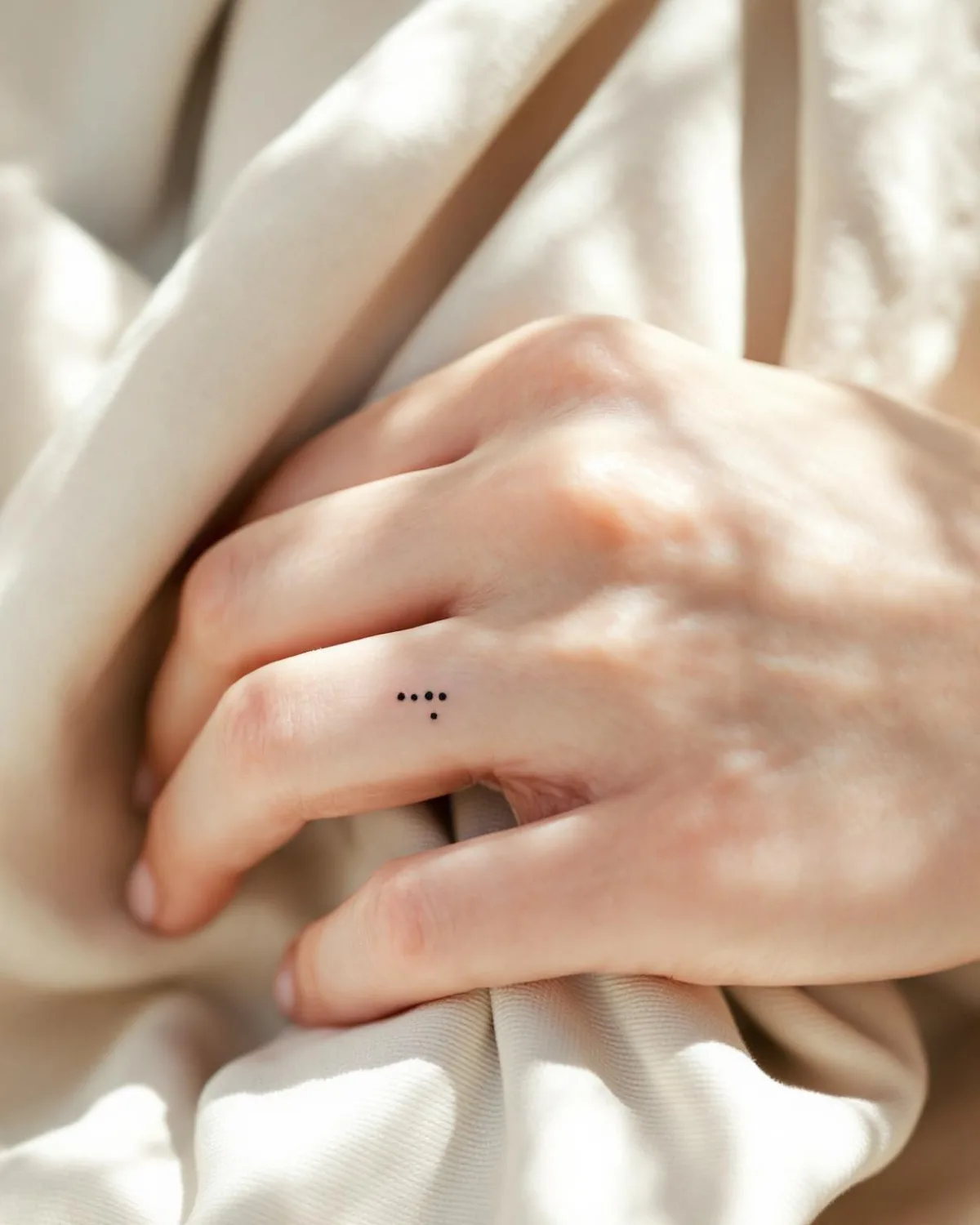
Only tiny, minimalist designs work on fingers: single symbols, dots, tiny line work, or very small words. Avoid complex, detailed designs—they become unreadable on the small canvas and fade into blurs. Simple is beautiful here.
Should I get a finger tattoo if I know it will fade quickly?
Only if you are committed to regular touch-ups (every 2–3 years) or if you accept that the design will gradually soften and blur over time. Some people appreciate this impermanent quality; it adds character. Others prefer placements with better ink retention.