Ankle
Bony, constant friction, small canvas.
Pain
7/10 average
Healing
4weeks (typical)
Visibility
Visible in casual wear
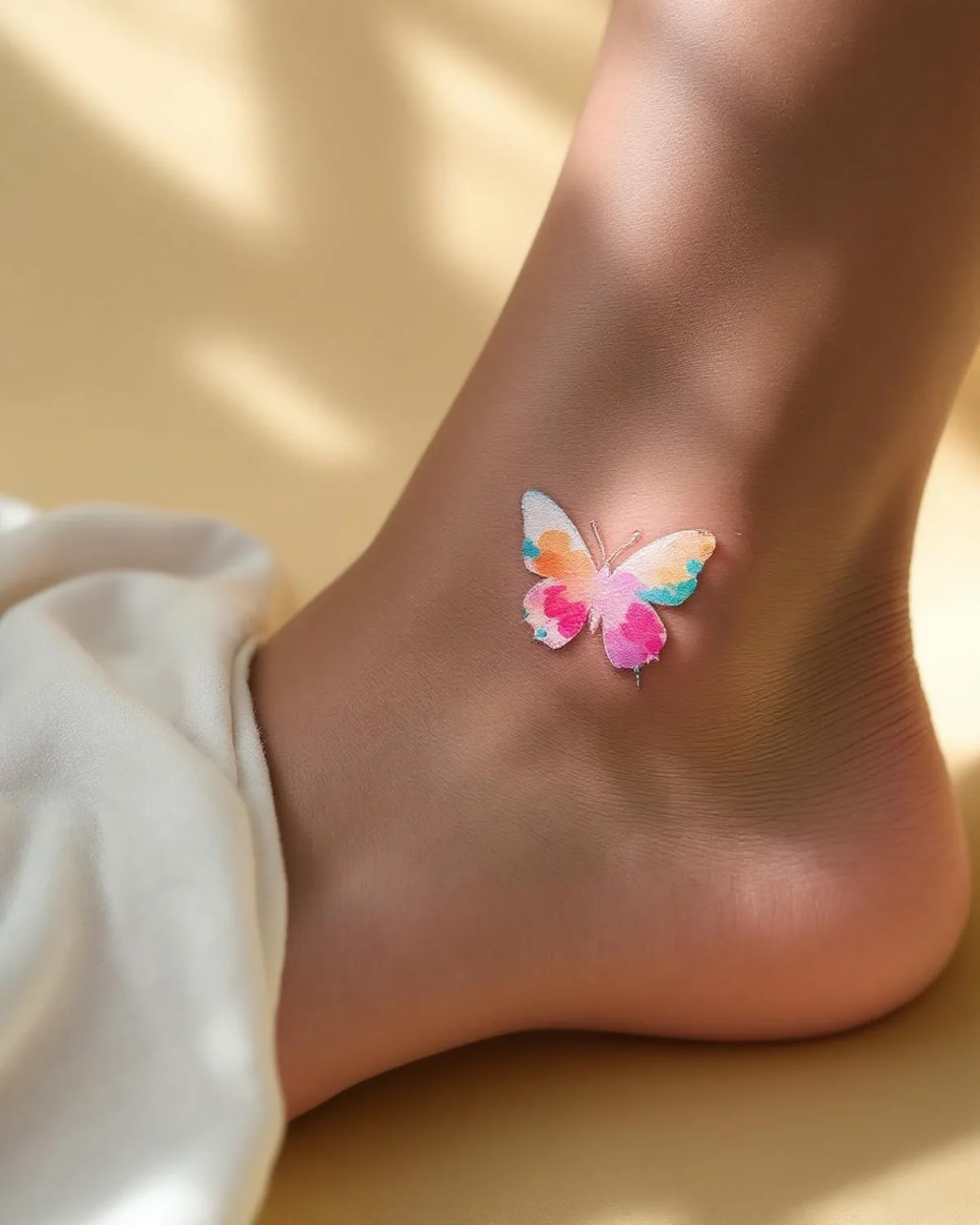
What sits beneath
The ankle is the junction where tibia and fibula meet the talus bone through a complex hinge of ligaments and tendons. The skin here is thin—approximately 1.0–1.5mm—directly over the malleoli (the bony bumps on the inner and outer sides). Beneath the surface is minimal subcutaneous fat; bone is nearly at skin level. The Achilles tendon runs vertically along the back of the ankle. Constant movement during walking, friction from footwear, moisture accumulation in socks, and the ankle's constant flex make this region one of the highest-friction healing zones in the body. The skin also experiences constant UV exposure if worn with open sandals.
What to expect
7/10
The ankle ranks high in pain due to thin skin, bone proximity, and the sensitivity of the area. Most clients report sharp, sustained discomfort during and after sessions. The small canvas means sessions are typically 30–90 minutes, but the accumulated needle impact on the thin skin and constant pressure on bone registers acutely.
4w
Ankle tattoos are among the slowest-healing placements due to constant footwear friction and movement. Expect 3–4 weeks for the surface to fully shed and 4–6 weeks for deeper layers to stabilize. Shoes rubbing the healing skin, sweat, and the ankle's constant flex all complicate the process. Keep the area dry; wear breathable socks and avoid tight shoes for the first two weeks.
Visible in casual wear
Ankle tattoos are visible with low-cut socks, sandals, athletic wear, and shorts. They are hidden by most closed footwear and standard socks. In formal settings with dress pants or long dresses, the ankle is typically covered. Professional environments vary—some are strict about visible tattoos, others are permissive.
Specific to this placement
Ankle aftercare is strict due to footwear friction. Wash gently with fragrance-free soap and pat (never rub) dry. Use a thin layer of unscented moisturizer once daily. Wear breathable socks (not tight) and shoes that do not rub the tattoo site. Avoid pools, baths, and prolonged water exposure for 7–10 days. After the first week, light movement and walking are fine—complete immobility is unnecessary. Expect some ink migration at the ankle due to constant flex; this is normal.
This is general guidance. Follow your tattoo artist's specific instructions.
Quiet answers.
Why do ankle tattoos take so long to heal?
Constant footwear friction, the ankle's continuous movement during walking, moisture from sweat, and the thin skin all slow healing. The site is under constant mechanical stress—unlike the back or chest, where you can restrict movement. Plan for 4–6 weeks.
Can I wear my regular shoes while the ankle tattoo is healing?
Tight or rubbing shoes will damage the healing tattoo. Wear loose, breathable shoes or sandals for the first 2 weeks, if possible. If you must wear structured shoes, keep the healing area as dry as possible and clean the area of shoe friction frequently.
Will an ankle tattoo fade faster than other placements?
Not necessarily, but it will show wear faster due to constant sun exposure (if worn with sandals) and friction. The style matters—fine line ankles need crisp outlines to hold their character; thicker styles age more gracefully with the accumulating scuff.
Is the ankle visible in a professional setting?
Depends on dress code. Business casual with closed shoes = hidden. Sandals, athletic wear, or casual shorts = visible. Ask yourself: Does my job allow shorts or sandals? If yes, assume your ankle tattoo will be seen regularly.
Can I hide an ankle tattoo if I change my mind?
An ankle is difficult to cover with another tattoo due to the small, bony surface. If you later want to conceal it, an artist could design a larger ornamental piece that incorporates the old work, but this is complex. Choose your design carefully.