Edo period — present
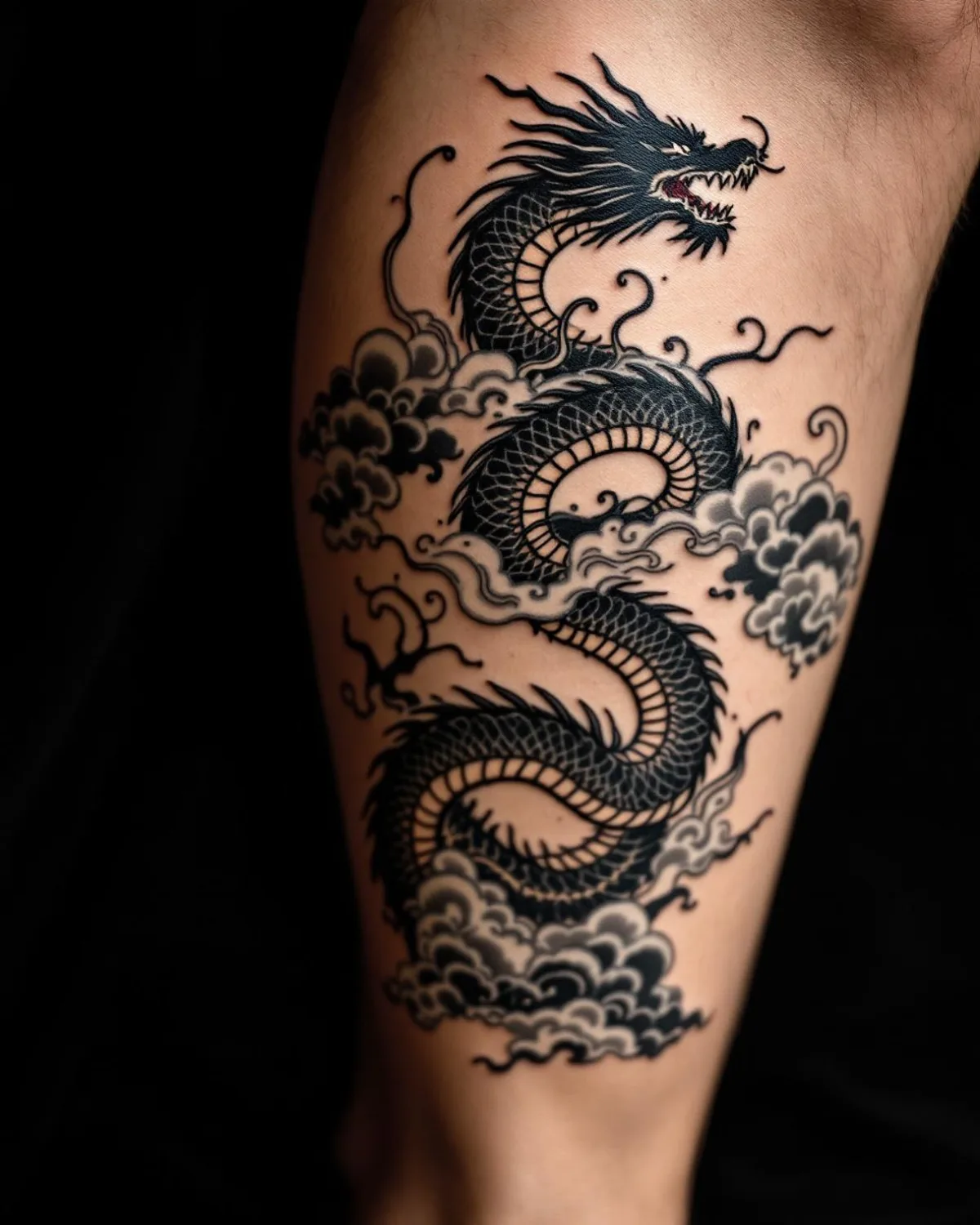
Japanese Irezumi emerged from the Edo period (1603–1868) as a form of narrative art. Tattoo masters hand-applied indigo and black ink using wooden combs and bamboo needles—a technique called tebori. Irezumi served multiple purposes: spiritual protection (symbols like Kannon and dragons), rank and affiliation (criminals and firefighters bore distinguishing marks), and personal mythology. The tradition was suppressed by the Meiji government in 1873 but persisted underground. Modern irezumi has returned as a recognized art form, with master artists preserving hand-tapping techniques while adapting to contemporary subjects. Irezumi is narrative tattoo at its fullest: every line and symbol carries story.
Wind bars, koi, hannya, full-body composition
Irezumi is defined by full-body composition—a master plan that wraps the torso, sleeves, and sometimes legs. The visual language employs thick outlines, deep indigo-blue or pure black, and atmospheric density that creates movement. Wind bars (kasane) indicate motion and transition; koi symbolize perseverance; hannya (demon masks) represent transformation; cherry blossoms symbolize transience. The technique traditionally uses tebori (hand-tapping) or now modern machine needles. A true irezumi piece takes years to complete, with multiple sessions and intentional composition planning. The chest, back, and full sleeves are the canonical canvas.
Open Tattoo Genie. Type one of these.
Full back irezumi design: large koi swimming through waves with cherry blossoms
Japanese sleeve: hannya mask with wind bars and bamboo stalks
Irezumi chest piece: dragon coiled around sacred symbols with indigo shading
Full-body composition: koi and water motifs with traditional indigo palette
Traditional irezumi sleeve: temple guardian and sacred geometry
Irezumi leg piece: koi ascending with chrysanthemum flowers and wave bars
Real designs from the community
Quiet answers.
Is tebori (hand-tapping) still used in modern irezumi?
Yes, some masters still practice traditional tebori, but most modern irezumi artists use contemporary machines with traditional designs. Tebori is slower and more painful, but it carries spiritual significance for some. Discuss this with your artist.
Can I get a partial irezumi piece, or does it have to be full-body?
Irezumi is traditionally a full-body commitment, but modern adaptations allow for sleeves or back pieces as standalone statements. A true master will discuss composition and how your piece fits a potential larger narrative.
What do the symbols in irezumi mean?
Each motif carries layered meaning: koi (perseverance, transformation), dragon (strength, protection), hannya (supernatural rage or redemption), cherry blossom (transience), peony (wealth and honor). Your artist can guide the symbolism to fit your story.
How long does an irezumi sleeve take?
A full sleeve can take 1–3 years or more, with sessions spaced several months apart for healing. The indigo and black layers require multiple passes. This is not a quick commitment.
Are there cultural or spiritual requirements for getting irezumi?
Irezumi has deep roots in Japanese culture. Many artists and traditional spaces expect respect for its origins. That said, the art form has evolved—discuss cultural sensitivity with your artist before starting.