Calf
Curved muscle, moderate pain, excellent healing.
Pain
3/10 average
Healing
2weeks (typical)
Visibility
Visible in casual wear
What sits beneath
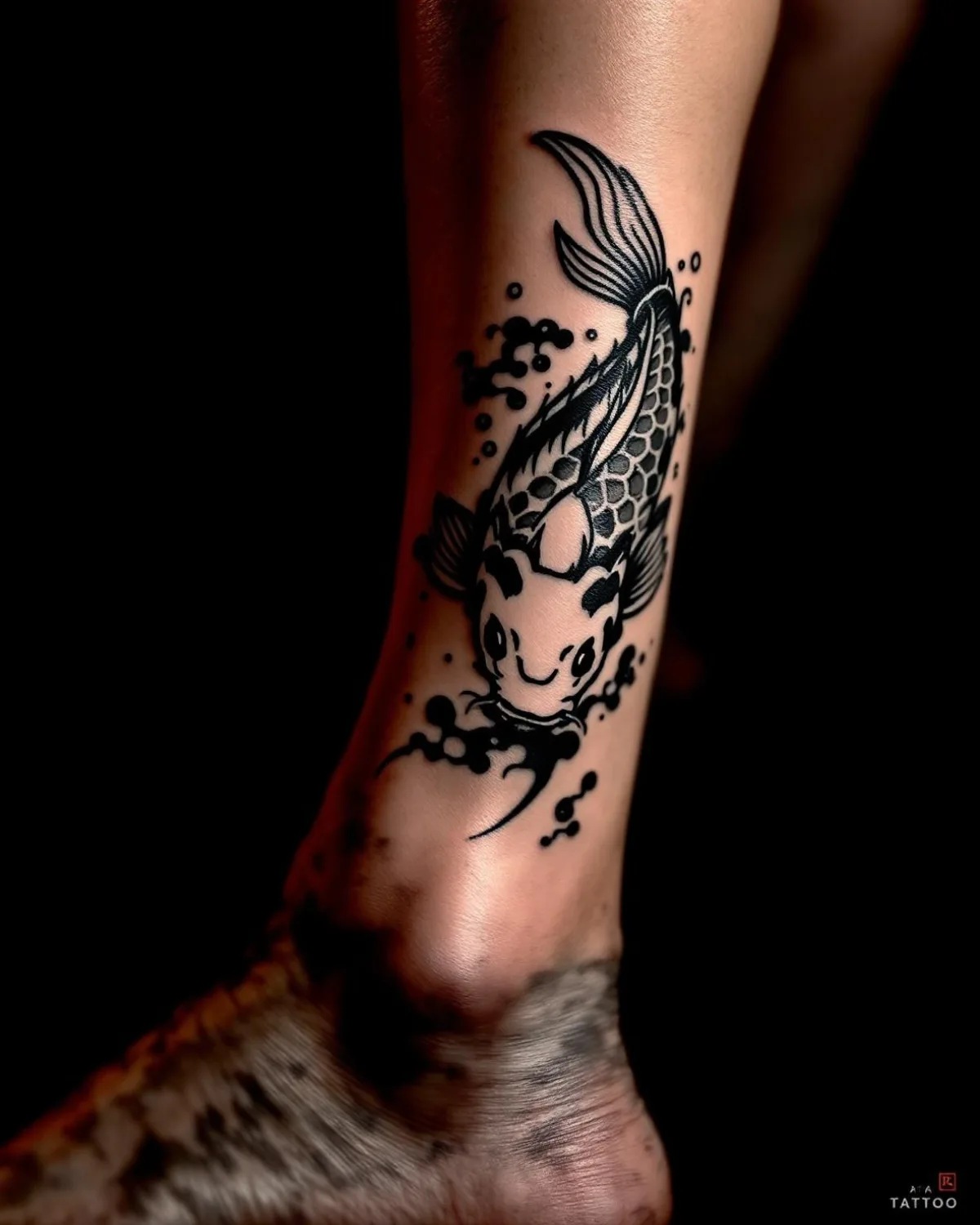
The calf is composed of two main muscles: the gastrocnemius (the large, diamond-shaped surface muscle visible when you flex your leg) and the soleus (the flatter muscle beneath it). The skin over the calf is 1.2–1.8mm thick—thicker than the ankle or shin, with reasonable subcutaneous fat padding. The muscle is anchored at the Achilles tendon below and the knee above. The shinbone (tibia) runs along the inner calf; the fibula (smaller bone) runs along the outer edge. Blood supply is excellent in the calf, and there are relatively few major nerve clusters compared to other placements. The curved topography of the calf muscle creates natural contours that can enhance or challenge tattoo placement depending on design.
What to expect
3/10
The calf is one of the least painful placements. The thick skin, good muscle padding, and abundant blood supply allow the needle to work efficiently with minimal discomfort. Most clients report a light buzzing or vibration sensation rather than sharp pain. Longer sessions (2–4 hours) are generally well-tolerated on the calf.
2w
The calf is one of the fastest-healing placements, typically complete within 2–3 weeks. The excellent blood supply and muscle padding promote efficient cell turnover. Daily walking does not compromise healing—light movement actually aids circulation. Keep the area clean and moisturized; avoid intense leg workouts (heavy squats, calves exercises) for the first 10 days to prevent excessive flex and scab disruption.
Visible in casual wear
Calf tattoos are visible when wearing shorts, skirts, athletic wear, or swimming attire. They are hidden by most pants, jeans, and long dresses. In professional settings with business casual dress codes (pants required), calf tattoos remain private. Visibility depends on personal style and wardrobe choices.
Specific to this placement
Calf aftercare is straightforward due to the easy-healing nature of the placement. Wash daily with fragrance-free soap and pat dry. Apply a thin layer of unscented moisturizer 2–3 times daily for the first 2 weeks. Light activity (walking, gentle stretching) is fine; avoid heavy leg workouts, running, or intense calf-focused exercise for 7–10 days. Wear breathable pants or shorts that don't rub the area. Swimming and prolonged water immersion (baths) should be avoided for the first 7 days.
This is general guidance. Follow your tattoo artist's specific instructions.
Quiet answers.
Is the calf the best placement for a large tattoo?
The calf has good surface area and the curved muscle can frame large designs beautifully. However, the vertical length is limited (roughly 8–10 inches of usable space). Designs that work with the curve—like a dragon wrapping around, or a mandala centered on the muscle—flow naturally. Full-leg sleeves typically start higher on the thigh.
Can I walk or exercise right after getting a calf tattoo?
Light walking is fine and actually aids healing through circulation. Avoid running, heavy squats, or calf-specific workouts (like calf raises) for at least 7–10 days. The muscle movement shouldn't disrupt a healed design, but it can reopen scabs during the first week.
Why is the calf a popular placement for large Japanese irezumi?
Japanese irezumi pieces often feature bold, flowing imagery (dragons, water, wind bars) that benefit from a large, curved canvas. The calf's muscle topography creates natural movement in the design. Additionally, Japanese tradition often favors the leg as a "hidden" placement—visible only in certain contexts.
Do calf tattoos show age/wear differently than arm tattoos?
Calf tattoos tend to age exceptionally well because of constant but gentle movement (walking) and good blood supply. They don't experience the hand-friction or sun-exposure issues of arm or wrist tattoos. After 10+ years, a well-placed calf tattoo often looks fresher than an arm piece of similar age.
Can I get a sleeve that wraps around my calf?
Yes, but the design needs to account for the curved shape. A skilled artist will create a design that flows naturally around the contour rather than fighting it. Expect sessions to be longer to wrap around the circumference.