Tribal roots, modern revival
Dotwork as an intentional tattoo style emerged from tribal tattooing traditions—particularly Polynesian, Samoan, and Maori ta moko, where dot and line patterns carried spiritual and genealogical meaning. Modern dotwork, however, rose to prominence in the 2010s through artists pioneering pointillism as a tattoo technique. Shige, a Japanese artist, and others developed methods to build photorealistic images using thousands of tiny dots. The revival was part of a broader movement toward meditative, patient tattooing—a counter-movement to fast, high-volume production. Dotwork demands technical precision, patience, and an almost philosophical commitment to slowness. It became popular through Instagram and tattoo magazines, attracting both clients seeking meditative aesthetics and artists fascinated by the mathematical challenge.
Stippled gradient, slow build, monochrome depth
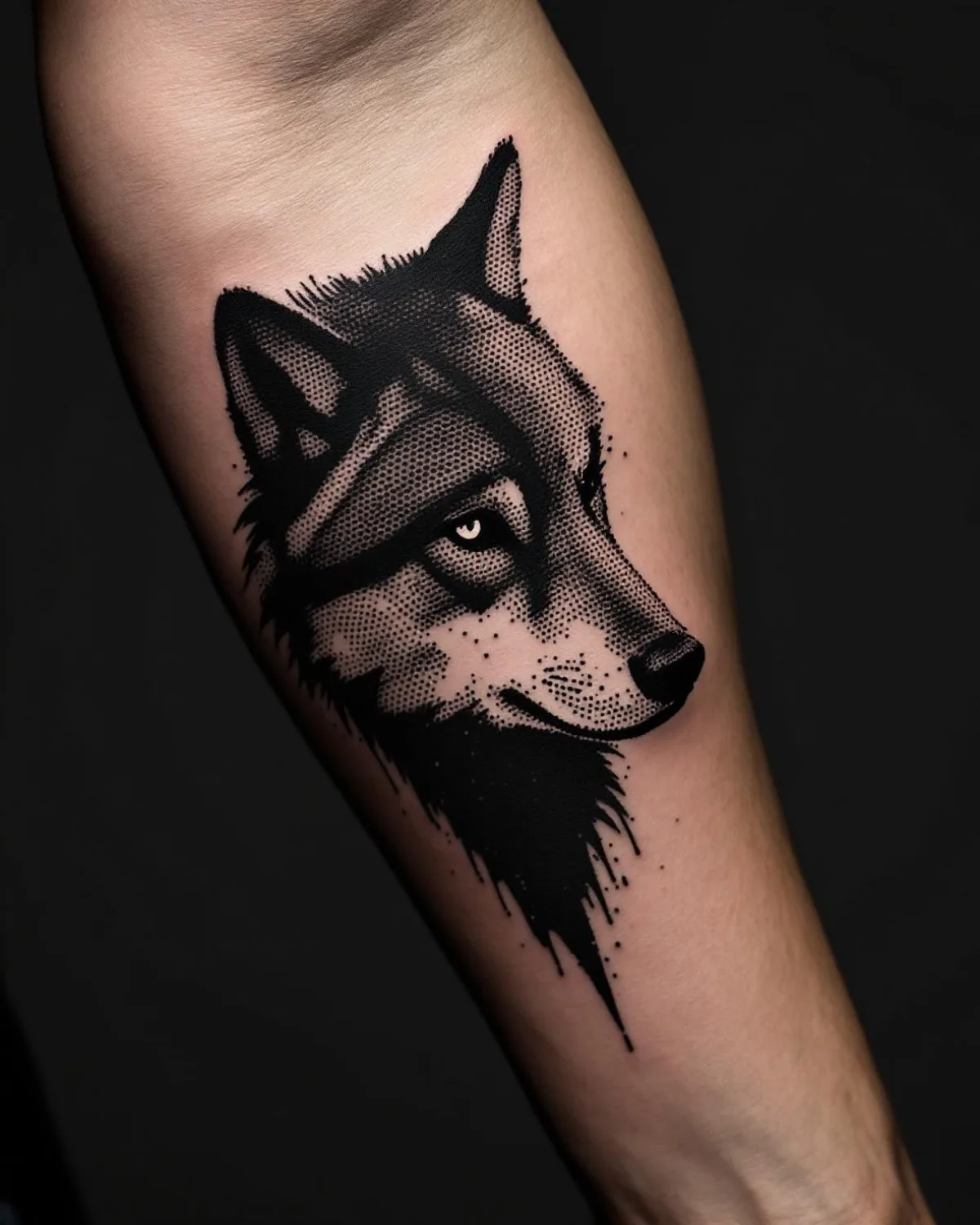
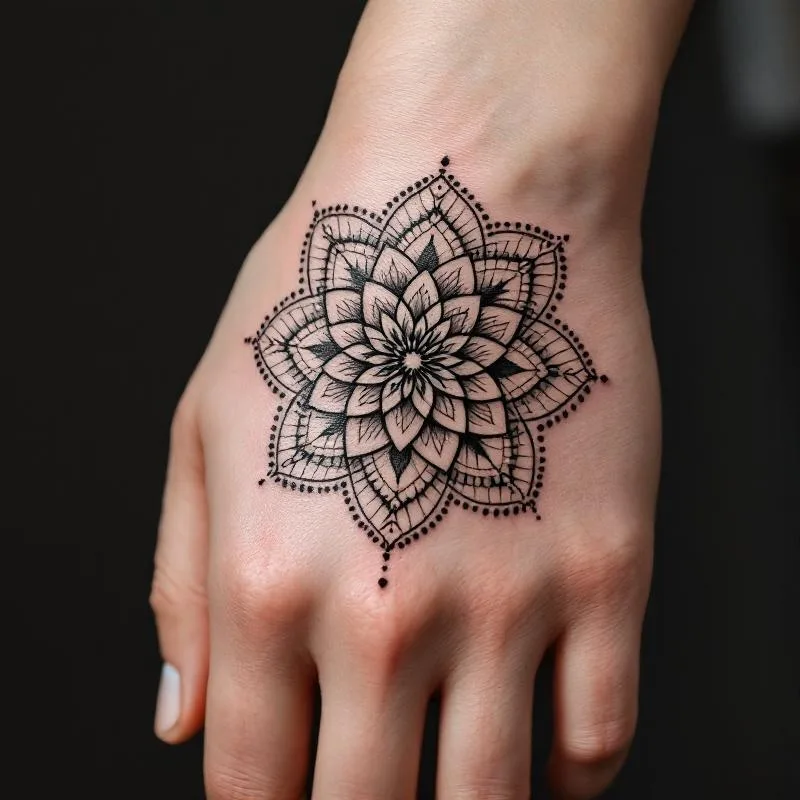
Dotwork builds images through stippling—thousands of tiny black dots arranged in varying densities to create gradation and depth. The technique requires extreme patience; a single piece can take dozens of sessions over months or years. Black is standard (monochrome), though some artists experiment with color dotwork. The beauty lies in the tonal range: heavy dots create shadow; sparse dots create light. Viewed from distance, the dots blend into a cohesive image; viewed close, you see the individual labor. Dotwork images are often photorealistic animals, faces, or mandalas. The effect is contemplative—each dot is a small decision made with intention.
Open Tattoo Genie. Type one of these.
Photorealistic lion head built with dotwork stippling, high contrast
Dotwork mandala: thousands of dots creating gradation from center outward
Dotwork portrait: detailed face with tonal depth achieved through dot density
Dotwork owl with realistic feather detail, monochrome, back piece
Abstract dotwork pattern: geometric mandala with gradient transitions
Dotwork animal: deer or wolf with fine detail and monochrome shadow
Real designs from the community
Quiet answers.
How long does a dotwork tattoo take?
Dotwork is deliberately slow. A small dotwork piece (2–3 inches) might take 5–10 sessions. A full sleeve or back piece can take 1–2 years or more. Each session builds the image through accumulated dots. Patience is part of the commitment.
Why is dotwork so expensive?
Dotwork demands extraordinary technical skill and time investment. Artists charge by session length and session count, not by finished size. A 2-year dotwork project commands high rates because the artist is earning over many months.
Can I do a dotwork piece as a multi-artist project?
Theoretically yes, but not recommended. Dotwork is deeply personal—each artist has a unique dot density, spacing, and pressure style. A single dotwork artist creates visual coherence; switching artists mid-project can result in inconsistency.
How does dotwork age?
Well-executed dotwork ages beautifully. Individual dots may blur slightly over 10–15 years, but the overall image remains readable and beautiful. The monochrome approach helps it remain fresh-looking for decades.
Is dotwork painful?
Dotwork involves many sessions over time, so cumulative pain depends on placement and your tolerance. Each session is medium-intensity (not as intense as large fills, less intense than fine line). The meditative pacing sometimes feels more tolerable than rushing through a large piece.